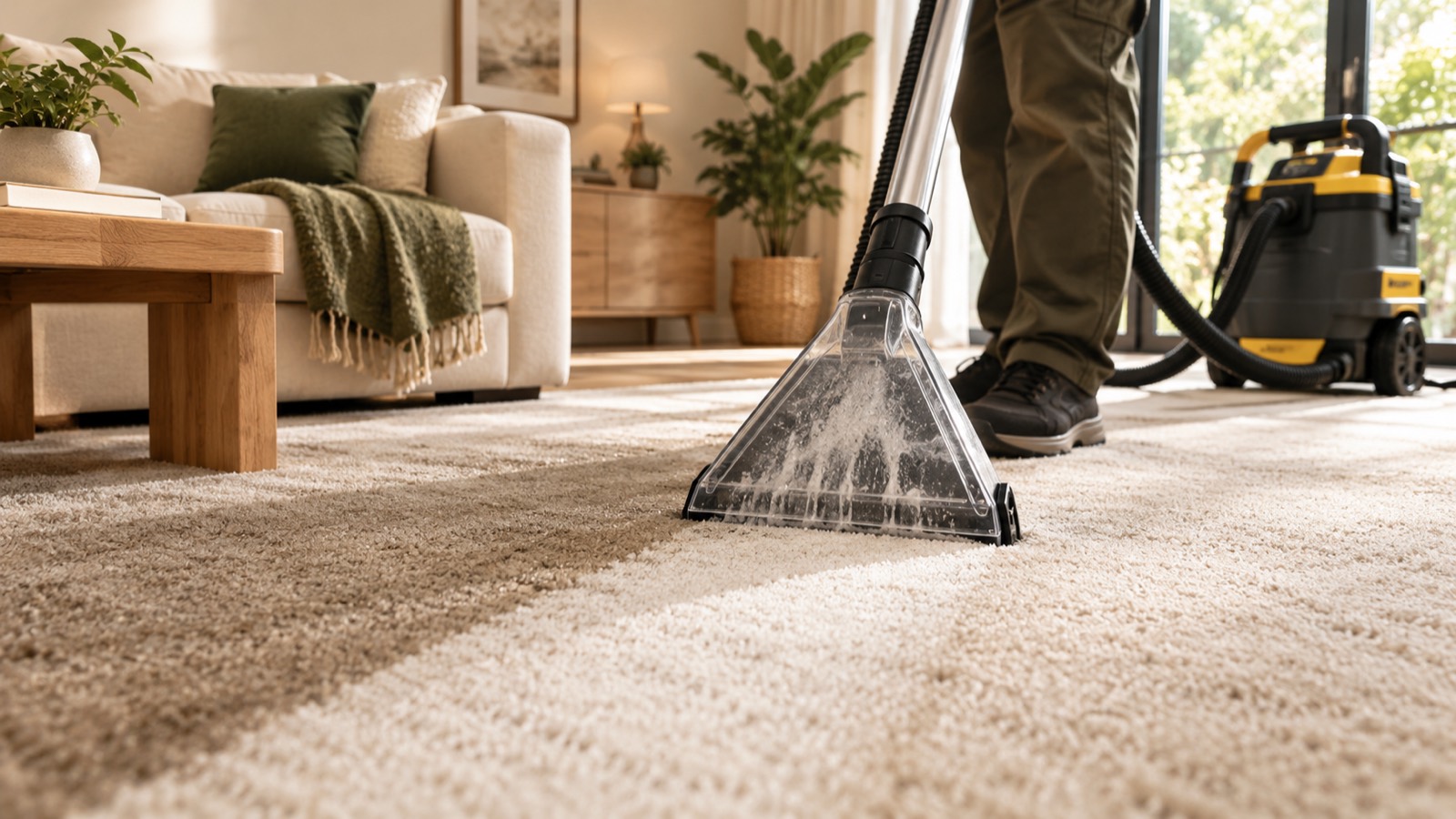
Vaš tepih možda izgleda čisto. Nema vidljivih mrlja i redovito ga usisavate, pa je sve u redu, zar ne? Mikrobiolozi koji su mjerili kućne površine došli su do drukčijeg zaključka: u prosječnom tepihu može biti stotine puta više bakterija nego na WC dasci. A to su samo bakterije. Grinje, alergeni, pesticidi, teški metali i kemikalije s ulice posebna su priča.
Što se zapravo nalazi u vašem tepihu?
Biološko onečišćenje
| Što | Odakle dolazi | Kako utječe na zdravlje |
|---|---|---|
| Grinje kućne prašine | Odljuštena koža | Alergije, astma |
| Bakterije | Obuća, hrana, životinje | Infekcije, probavne tegobe |
| Gljivice | Vlaga, prljava obuća | Problemi s disanjem |
| Virusi | Bolesni ukućani | Sezonske bolesti |
| Dlake i perut ljubimaca | Kućni ljubimci | Jaki alergeni |
| Pelud | Prozori, obuća | Sezonske alergije |
Kemijsko onečišćenje
Na obući u kuću unosimo sve što se nalazi na ulici:
- pesticide s travnjaka i iz parkova
- teške metale (olovo, kadmij) s prometnica
- policikličke aromatske ugljikovodike iz asfalta i ispušnih plinova
- herbicide i fungicide
- izmet ptica, glodavaca i drugih životinja
Velik dio prljavštine u kuću unosimo upravo na cipelama. Ako se izuvate na ulazu, tepih će dulje ostati čist.
Zašto usisavač nije dovoljan?
Redovito usisavanje je nužno, ali ima jasne granice:
- obični usisavači ne dopiru dublje od 1-2 cm u vlakna
- HEPA filtar zadrži i najsitnije čestice, ali usisavač do mnogih grinja i njihova izmeta duboko u tepihu uopće ne dopre
- usisavanjem ne uklanjate kemijsko onečišćenje
- usisavanje ne uništava bakterije i gljivice, samo ih premješta
- mrlje i tekućine koje su prodrle dublje usisavač ne dohvaća
Usisavač je, dakle, svakodnevna prevencija, ali nije zamjena za dubinsko čišćenje.
Koliko često treba dubinski očistiti tepih?
Preporučeni raspored
| Tko živi u kući | Koliko često |
|---|---|
| Samac bez ljubimaca, izuva se na ulazu | Jednom godišnje |
| Par bez djece i ljubimaca | Jednom do dvaput godišnje |
| Obitelj s djecom | Dvaput do triput godišnje |
| Kućni ljubimci u stanu | Triput do četiri puta godišnje |
| Alergičari i astmatičari | Svaka 3-4 mjeseca |
| Stan u prizemlju uz prometnu cestu | Dvaput do triput godišnje |
Načini dubinskog čišćenja tepiha
1. Strojna ekstrakcija toplom vodom
Ovo je najbolji način profesionalnog čišćenja tepiha. Stroj, poput Kärcher Puzzija, pod tlakom ubrizgava toplu vodu sa sredstvom i odmah je usisava natrag. Ovaj način:
- dopire 3-4 cm u dubinu tepiha
- uklanja grinje, bakterije i kemijsko onečišćenje
- učinkovito skida mrlje i duboku prljavštinu
- tepih se osuši za 2-6 sati
2. Suho čišćenje
Radi se prahom ili pjenom, bez vode. Pogodno je za:
- tepihe koji se ne smiju smočiti
- hitno čišćenje kad nema vremena za sušenje
- osvježavanje između dva dubinska čišćenja
3. Čišćenje parom
Para od oko 130 °C uništava grinje, bakterije i gljivice. Nije za svaki tepih, jer se neki prirodni materijali od nje skupe, ali je izvrsna za sintetičke tepihe i redovitu dezinfekciju.
4. Šamponiranje
Starija metoda s pjenastim sredstvima. Slabija je od ekstrakcije i ostavlja ostatke sredstava na koje se prljavština brže hvata. Danas se rijetko preporučuje.
Što možete sami
Priprema tepiha
- Usisajte tepih u oba smjera, vodoravno i okomito, da bolje zahvatite vlakna.
- Vidljive mrlje prethodno posebno očistite.
- Ako možete, maknite namještaj s tepiha.
Suho čišćenje
- Pospite prah za čišćenje tepiha (ima ga u dm-u i Konzumu).
- Četkom ga utrljajte u vlakna.
- Ostavite 30-60 minuta.
- Temeljito usisajte.
Ovo je dobro za osvježavanje, ali nije dubinsko čišćenje.
Kada zvati stručnjake
- orijentalni ili ručno tkani tepih, jer skupi materijali traže poseban tretman
- vuneni tepih, jer se kod pogrešnog čišćenja skupi i pušta boju
- tepih s jakim mirisom (urin, vlaga, dim)
- tepih koji nije čišćen dulje od 2-3 godine
- tepih u kući s djecom ili alergičarima
Dubinsko čišćenje tepiha u Dugom Selu i okolici
U Dugom Selu, Sesvetama, Brckovljanima, Vrbovcu i Svetom Ivanu Zelini možete naručiti strojno dubinsko čišćenje tepiha ekstrakcijom. Tepih ne morate nikamo voziti. Dolazimo k vama sa strojem, a tepih je suh isti dan. Posebna priprema nije potrebna.
Česta pitanja
Može li se tepih oprati mokrim postupkom bez stroja?
Može, ali rezultat je ograničen. Ručnim pranjem, ručnikom natopljenim sredstvom, čistite samo površinu vlakana. Za dubinsko čišćenje i dezinfekciju treba stroj koji tekućinu i ubrizgava i usisava.
Je li normalno da tepih miriše dok se suši?
Blagi miris vlage je normalan i nestane čim se tepih osuši. Jak miris koji ostane i nakon sušenja znak je da je u tepihu bilo puno organskih naslaga (dlake, hrana, urin) koje su se pranjem otpustile. To samo potvrđuje da je čišćenje bilo potrebno.
Koliko se tepih suši?
Nakon profesionalne ekstrakcije tepih se osuši za 2-6 sati, ovisno o debljini i materijalu. Uz dobro prozračivanje (otvoreni prozori, ventilator) suši se brže. Ne hodajte po mokrom tepihu.
Smije li se prati orijentalni tepih?
Orijentalni tepisi traže poseban tretman: ručno pranje u specijaliziranoj praonici ili pažljivo profesionalno suho čišćenje. Obična ekstrakcija može oštetiti boje i tkanje. Za vrijedne tepihe uvijek pitajte stručnjaka.
Treba li tepih zaštititi nakon čišćenja?
Preporučujemo. Scotchgard ili slično zaštitno sredstvo stvori tanak sloj koji odbija tekućinu, pa imate više vremena reagirati kad nešto prolijete. Nanosi se kad je tepih očišćen i suh, a traje 12-18 mjeseci.
Koliko košta profesionalno čišćenje tepiha?
Cijena ovisi o veličini tepiha i načinu čišćenja. Naše cijene pogledajte u cjeniku. Ako imate više tepiha i namještaja, isplati se i unajmiti Kärcher Puzzi pa sve očistiti sami.
Je li bolje čistiti tepih ljeti ili zimi?
Ljeti je bolje, jer se zbog topline i prozračivanja brže suši. Zimi se tepih sporije suši, a u zatvorenoj prostoriji raste rizik od vlage. Proljeće i jesen su zlatna sredina, s umjerenom temperaturom i dobrim prozračivanjem.
Smije li dijete na tepih odmah nakon čišćenja?
Pričekajte da se tepih potpuno osuši, za tanje tepihe barem 3-4 sata, a za deblje 6-8 sati. Suh tepih je siguran, a vlažan je sklizak i dijete na njemu brzo pokupi vlagu.
Treba li tepih usisavati s obje strane?
Jednom ili dvaput godišnje svakako. Okrenite tepih i usisajte naličje, pa pod ispod njega. Tako izvučete pijesak i prašinu koji su prošli kroz vlakna i troše ih iznutra. Zatim ga vratite i usisajte lice.
Pomaže li otirač na ulazu da tepih ostane čišći?
Puno pomaže. Većina prljavštine u stan dolazi na obući, a dobar otirač vani i još jedan unutra zaustave velik dio pijeska i blata prije tepiha. Još je bolje kad se u kući ne hoda u cipelama.
Zaključak
Tepih koji izgleda čisto može biti jedna od najprljavijih stvari u vašem domu. Redovito usisavanje je nužno, ali ne uklanja bakterije, grinje i kemikalije koje se zavuku duboko u vlakna. Jedino dubinsko čišćenje, jednom ili dvaput godišnje, ovisno o tome tko živi u kući, stvarno vraća tepih u zdravo stanje.
Ako nemate odgovarajuću opremu ili vam se jednostavno ne da, javite nam se. Možemo doći i očistiti umjesto vas, a možete i unajmiti Kärcher strojeve pa posao odraditi sami.